Picture walking past a storefront—something you’d love to buy catches your eye. Do you ever wonder if you should save or spend, or how to strike a balance that feels right? The idea of a true save spend balance is more than numbers on a spreadsheet; it’s about daily choices that add up over time.
Striking the right save spend balance matters for reasons that go beyond financial health. Whether it’s guilt after an impulse buy or stress from pinching pennies, learning to spend without anxiety and save without resentment is critical for well-being.
Let’s explore real-life ways to manage your money confidently and flexibly. Here’s how combining practical rules, simple comparisons, and small shifts can make every dollar count—without turning budgeting into a chore.
Set Spending Rules That Free You, Not Trap You
Clear, flexible boundaries make saving and spending less stressful. They replace indecision with routines and offer real freedom within your priorities.
Rather than rigid budgets, think in rules. For example, “I buy coffee out only twice a week” feels easier than endless tracking. It’s structure without micromanagement.
Try the Two-Minute Pause
Building a pause before spending gives you control, not denial. Say you spot a cool kitchen gadget online. Honor your interest—then wait two minutes before hitting purchase.
In those moments, check if you still want it or if impulse was driving you. This small rule can reveal which expenses truly matter and keep the save spend balance intact.
The “One-In, One-Out” Habit
Take wardrobes, tech, or hobbies: For every new item you buy, remove one you no longer use. This keeps clutter down and ensures purposeful spending.
By limiting inflow, you naturally prioritize both purchases and savings. The habit’s discipline isn’t about restriction; it’s about creating more meaningful choices.
| Spending Rule | Behavior | Common Outcome | Next Step to Try |
|---|---|---|---|
| Two-Minute Pause | Wait before buying non-essentials | Fewer regret purchases | Set a phone timer for small splurges |
| One-In, One-Out | Donate or sell each time you buy | Less clutter, mindful spending | Pick a category to start (e.g., clothing) |
| Weekly Fun Budget | Create a set amount for fun spends | Guilt-free enjoyment, no surprises | Transfer to a separate card or wallet weekly |
| “No-Spend” Day | No discretionary spends on certain days | Break impulse cycles, extra savings | Choose a consistent weekday for starts |
| Wishlist Delay | Add to a wishlist, buy after a week | Higher satisfaction, fewer instant buys | Use shopping apps with wishlist features |
Automate Essentials, Personalize the Rest
Setting up automatic transfers for bills and savings gives you more mental energy for spending choices that feel good, not guilty.
Use technology for the goals that don’t need daily attention, and reserve active involvement for what makes life richer or happier.
Essentials on Autopilot
Pay rent, utilities, and build an emergency fund automatically—no need to wrangle over the basics. When these run smoothly, spending leftover cash feels genuinely flexible.
Try this small schedule: bills get paid as soon as money lands, then transfers to your main savings account. It lessens bill-paying stress each month.
- Set recurring transfers for savings and bills so you never miss a payment—and save without thinking.
- Use separate bank accounts for bills, savings, and fun funds. You’ll see quickly how much is left to spend freely.
- Schedule bill payments and direct deposits to land right after your paycheck. This prevents accidental overspending.
- Review automatic payments every three months to catch unused services or subscriptions.
- Label accounts (e.g., ‘Vacation Savings’) for clarity and extra motivation on big goals.
Automating essentials ensures that the save spend balance happens almost in the background. The leftover money becomes yours to use with intention—no guilt attached.
Create Flexible Fun Money Rules
After covering essentials, put a label on what’s left. Maybe it’s “dining out” or “hobbies.” Having small, personalized rules transforms spending into a mindful, positive act.
Treat your leftover as “permission to enjoy.” Whether it’s $10 or $100, assign it to non-essential categories—and adjust as your life or mood changes.
- Decide your fun budget at the start of each week, reflecting new plans or surprises.
- Use cash or a prepaid card for non-essentials. When it’s gone, that’s your cue to switch to no-cost fun.
- Review past weeks to spot patterns, then shift your categories if one grows or shrinks.
- Allow yourself to “carry over” unspent fun money into next week, rewarding moments of restraint.
- Share fun money goals with a friend for accountability—or to plan a joint treat when you save enough.
Managing fun spending alongside saving keeps the save spend balance dynamic and prevents a feast-or-famine feeling around money.
Comparison Is Your Best Friend—Sometimes
Comparing choices pulls spending into context. When you see two options side by side, one usually aligns more closely with your save spend balance goals.
Quick “Worth It” Checks
Pause before large purchases and line them up against something you want more. For example, does this new gadget matter more than a long weekend getaway?
Write down the top three big spends you’re eyeing. Rank them. Surprisingly often, one falls away as less urgent, making both saving and spending more deliberate.
The Daily Coffee Test
Suppose you’re tempted by daily coffee runs, which cost $100 a month. Ask if you’d enjoy a $1,200 annual splurge instead—like a short trip or concert VIP passes.
Sometimes you’ll decide the habit is worth it. Other times, the comparison makes alternatives obvious. Either decision can support your save spend balance when intentional.
Give Yourself Permission When Saving Works
Celebrating your success with saving—however small—builds positive momentum. Linking small wins to small treats turns restraint into something rewarding, not punishing.
If you skip a purchase, try immediately noting the amount and imagining a future use. “I skipped the $30 shirt, so I’ll save for that fall outing.” This links saving to real joy.
Use a Small Win Jar
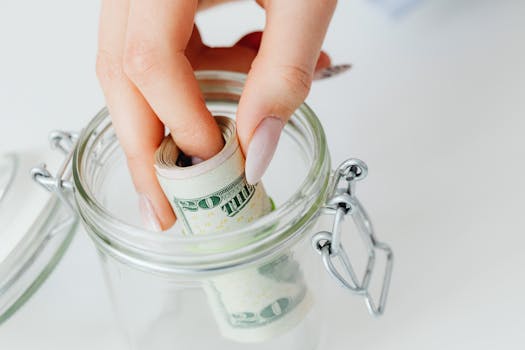
Keep cash or tally your skipped spendings in a visible place. When you hit $100, spend it on something meaningful, not random. This practice reframes saving as progress, not deprivation.
The difference isn’t the item itself—it’s that you choose when and how to splurge, keeping you in charge of your save spend balance instead of letting automatic habits take over.
Progress, Not Perfection: Adjust Your Targets
Every season brings fresh needs or priorities. Set monthly savings and spending goals, then reduce pressure by treating them as targets, not “must hit” lines.
Be honest—life changes, and so will your budget realities. Maybe one month’s travel splurge means next month’s savings dip. Balance comes from awareness, not dogma.
Learning From Surprises
When an emergency or big opportunity shows up, use it as a chance to review your routines. Ask yourself: Did the unexpected expense derail my goals, or did flexibility save the day?
If your system felt rigid, tweak it. Add a buffer for unpredictability to your next month’s budget—this keeps the save spend balance intact over time, not just week to week.
Spend With Others, Not Just Yourself
Money choices look different in company. Family, friends, or partners change the story from “my restriction” to “our opportunity,” especially when priorities or habits clash.
Treat group spending like tuning an instrument: Discuss plans upfront. Decide together when it’s time to splurge or save as a team.
Shared Rules, Shared Joys
Craft one or two simple household rules, like “one takeout meal per weekend” or “save loose change for movie nights.” Rituals make balance a shared pursuit instead of a solo struggle.
Try switching roles: one week you plan the splurge, the next your partner does. This keeps saving and spending dynamic—and brings fresh energy to the table.
Keep Balance a Moving Target
The idea of a permanent, perfect save spend balance isn’t realistic for most of us. Instead, flexibility and curiosity keep your routines lively and tuned to real life.
Treat each new expense or saving challenge as a mini-experiment. Ask, “Does this still feel right?” No two months will be identical, but the rhythm is what matters.
Return to your favorite rule, like the two-minute pause, when things slip. Or branch out—try a no-spend day, shift categories, or involve a friend for a week of shared accountability.
Little by little, you’ll find your groove. The process becomes your own, and you’ll notice the pressure to “get it exactly right” fades away.