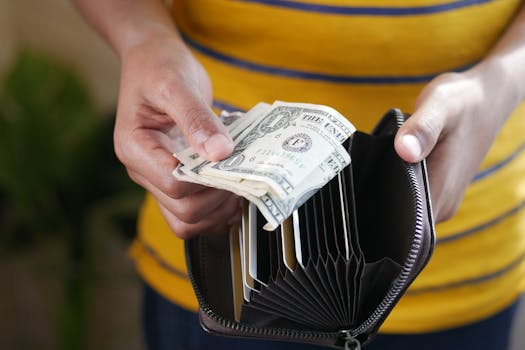
Ever notice how the smallest change—skipping that daily coffee shop stop, turning pocket change into a savings jar—can feel nearly invisible, but eventually create real momentum? The financial habits impact is hard to see in one day, easy to spot over a year.
Even small financial choices hold power because they accumulate. These habits quietly shape your future security, daily peace of mind, and ability to say yes to opportunities—or weather storms.
If you’ve ever wondered whether tiny adjustments matter, read on. We’ll uncover how these easy-to-miss patterns build big outcomes and offer concrete steps to put them to work for you.
Everyday Choices Compound: Why Micro-Habits Matter
A morning routine that skips impulse buys in favor of packing lunch does more than save a few bucks today. It sets a tone for your entire relationship with money.
Financial habits impact isn’t about a single big windfall. Instead, the real difference comes from a series of unimpressive—but repeatable—choices anyone can make.
The Snowball Analogy in Action
Picture rolling a snowball. The first few pushes barely change it. After a while, though, that snowball is enormous, thanks to persistent effort and a simple, repeatable action.
Setting up weekly auto-deposits, however small, works just like that. Over months or years, it becomes a surprisingly meaningful emergency fund, all from painless steps.
Mini Scenario: Choosing to Round Up
Jenny uses a banking app feature to round up each debit purchase to the next dollar, stashing change automatically. At first, she doesn’t notice much.
Six months later, she checks. That dressed-down approach has quietly built her a $127 buffer. “Oh—look at that,” she says. “I didn’t miss it, but it sure added up.” Trying something similar? You can flip this switch in most apps right away.
| Micro-Habit | Daily Effort | Annual Result | Takeaway |
|---|---|---|---|
| Skipping $2 coffee | Low | $730 savings | Small trade-off, noticeable result |
| Rounding up debit purchases | None (automated) | $120–$200 | Automate small wins with zero pain |
| Weekly $10 transfer to savings | Minimal (set and forget) | $520 + interest | Consistency boosts savings, no stress |
| Bringing lunch 3 times a week | Moderate (preparation) | $780–$1,200 | Batch and plan to multiply results |
| Reviewing subscriptions biannually | Two 10-min sessions | $150+ saved yearly | Spot & snip hidden drains quickly |
Tiny Tweaks, Noticeable Wins: Behavioral Changes You Can See
One tweak to an evening routine—say, reviewing spending for five minutes—turns invisible habits into visible progress. These moments are not about restriction but direction.
Notice how your mindset shifts from feeling lost to finding small victories as these tweaks reveal themselves in your bank balance. The financial habits impact sneaks up quietly, mapping a new direction you can trace in real numbers.
Stacking Wins with Routine
Pairing new money habits with everyday actions builds reliability. For example, after brushing teeth at night, a quick check of spending takes less than two minutes.
- Pause spending by putting impulse items in a 24-hour cart—giving feelings a chance to cool, reducing accidental overspending.
- Set a reminder to transfer $5 every Friday—ties your routine to a calendar event, making it nearly impossible to forget.
- Cancel unused subscriptions each quarter—run a search in your email for ‘subscription’ and unsubscribe, saving you auto-renewal headaches and leaks.
- Track daily cash in a notebook—old school but powerful, seeing trends that digital logs sometimes hide.
Returning to the same cues, day after day, anchors the new habit, making long-term change feel automatic instead of forced.
Smart Micro-Actions at Work
Automatic transfers, visual spending trackers, and “no spend” days are starter moves almost anyone can adopt. Results build quickly—even if each move feels slight.
- Activate automatic bill pay—fending off late fees without lifting a finger.
- Create a savings jar for spare change—make saving tangible in your space.
- Use a cash envelope for groceries—see, touch, and limit what you spend in real time.
- Prepare a “swap list”—list items to borrow or swap with friends, reducing impulse shopping and building community habits.
Each small task picked from these lists lays the groundwork for progress, turning today’s good idea into tomorrow’s financial advantage.
Replacing Old Patterns: Let Your Habits Do the Heavy Lifting
Every habit replaced with a smarter one makes decision fatigue fade. That’s when your financial habits impact feels dramatic—effort drops, outcomes get better.
Habits, unlike willpower, don’t tire out. They run in the background, steadily driving you forward while you focus energy elsewhere.
Triggers as Tools: Choose What Starts Each Habit
Pair a new money habit with an existing routine—like “After I get my paycheck, I transfer $20 to savings.” Suddenly, the transfer is as natural as coffee on payday.
Try a context-based trigger: When you finish buying groceries, take a second to update your total spending. Real numbers, checked regularly, reinforce the behavior.
Before-and-After: The Case for Defaulting Smart
Compare: Joe lets bills auto-debit at the last minute; sometimes, he forgets, paying late fees. He sets up a trigger: bill reminders the day his paycheck arrives.
Three months later, he hasn’t paid a late fee. His routine hasn’t gotten more complicated—just anchored to the right event.
Seeing Progress: Visual Proof Motivates Consistency
Tracking results transforms abstract “good intentions” into visible progress. When people notice improvement, they’re naturally drawn to keep going, even when excitement fades.
Personalize your tracking system to fit your style. Use a notebook, spreadsheet, or even colored stickers—whatever helps you see progress at a glance.
Mini Experiment: The Sticky Note Check-in
Put a sticky note on your bathroom mirror: every time you move $5 to savings, make a mark. Low-tech, visible, and weirdly satisfying.
A family tried this experiment, then laughed at their growing tally after a few months. “It sounds silly, but watching that streak helped us compete with ourselves!”
Borrow and Adapt Tracking Tricks
Borrow ideas from fitness trackers: Set a weekly streak goal, track “spending-free days,” or snap photos of receipts to create a visual logbook.
Comparison is helpful—just aim for personal bests, not competing with others. Celebrate progress, not perfection. Over time, these mini rituals train your brain to notice effort and outcomes.
Adjusting During Setbacks: Small Pivots Without Losing Momentum
Financial habits impact is not about perfection. Miss a day, make a mistake—fine. Redirect with a small pivot the next chance you get.
One slip-up need not derail your entire progress. Use these micro-corrections to stay true to your path, even if the journey veers a bit.
The “Oops” Rule: Learn, Adjust, Continue
Say you spend extra on takeout during a tough week. Next meal, aim for a home-cooked dinner (even something simple) to reset this habit.
Write a quick post-it for yourself: “One miss doesn’t define me.” Try repeating this mindset when you notice guilt creeping in—it helps redirect focus.
Tiny Rebounds: Get Back on Track
Avoid overcomplicating your response. When routines wobble, scale back to an easier version—like $1 savings instead of $5 for the week. Protect the habit, not the amount.
Over time, course-correcting becomes instinctive. Small resets keep progress alive and foster self-trust in your system.
The Power of Consistency: Why It Beats Perfection Every Time
Tiny wins repeated over time do more than just fill your bank account. They build self-confidence and reshape your identity as someone organized with money.
Perfection is fickle—reliability is what creates the biggest shifts in the long run. Consistent actions, even if imperfect, outshine brief flashes of intense effort.
Everyday Example: The Grocery Envelope Habit
An envelope labeled “groceries” works better than mental math. Consistency means always using cash for this category; if you finish early, you don’t keep spending.
You avoid those creeping “oh, I’ll just get one more thing” moments, and savings add up steadily—no spreadsheets or heroic discipline needed.
Checklist for Consistent Follow-Through
- Repeat the habit at the same time or place—anchoring it to cues already in your daily routine for reliability.
- Track and revisit results weekly—seeing progress motivates you to keep going and tweak tactics only when required.
- Simplify, then expand—start small to lock in the behavior, adding detail or volume as you get comfortable.
- Pair habits with rewards—finish your habit, then give yourself a natural treat (Friday movie, favorite coffee), reinforcing the action.
Predictable actions, not size of each, make a noticeable impact over time.
Consolidating Lessons: Crafting Your Low-Effort Money Routine
Individual habits matter most when woven into a routine. Context—the when, where, and how—gives them sticking power.
Spend a few minutes mapping your routines: find anchors already present, like daily commutes or weekly chores, to attach financial steps to.
Mini-Routine Example
Every Sunday night, after cleaning up dinner, stack mail, scan bills due, move $10 to savings, and log last week’s spending—done in about ten minutes.
By tying money habits to household clean-up, you eliminate decision fatigue. Over time, this repetition trains your brain that “personal finance” is just another regular chore.
Creating a Repeatable Pattern
Pick two daily anchors—morning coffee and evening wind-down—and attach bite-sized actions (a saving transfer, a budget glance). Low effort, but high payoff thanks to consistency.
The less you have to remember, the more you’ll find habits sticking for the long haul without a fight.
Wrapping Up: Small Habits, Lasting Results
Small shifts in daily money management—auto-transfers, review routines, mindful spending—compound quickly. Their true strength comes from quiet consistency more than any single impressive move.
Financial habits impact for the long run by transforming stress into confidence and chaos into visible progress. None work miracles overnight, but all become hard to ignore with repetition.
Try picking one micro-habit today—just one. Watch its ripple across your next month. With patience, those ripples become waves, and those waves reshape your money story for good.